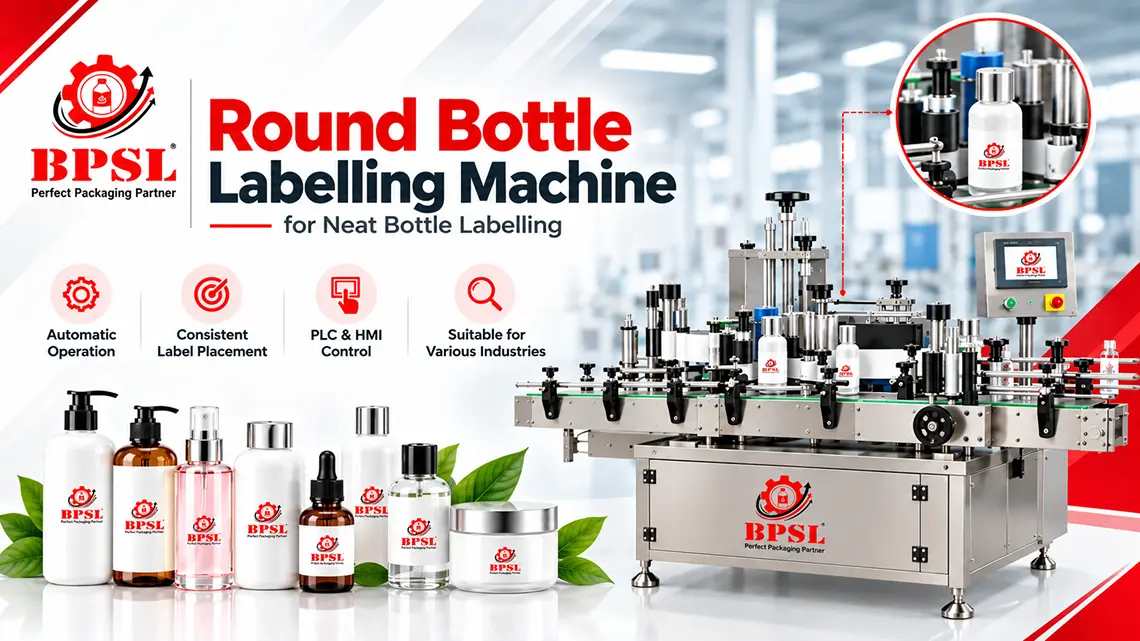
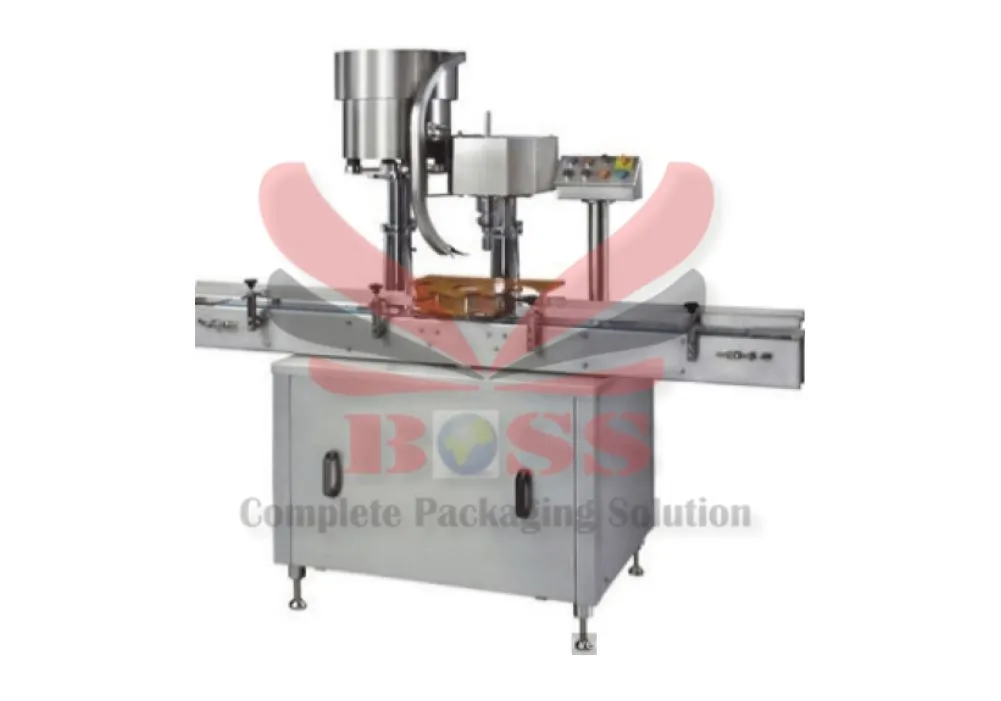
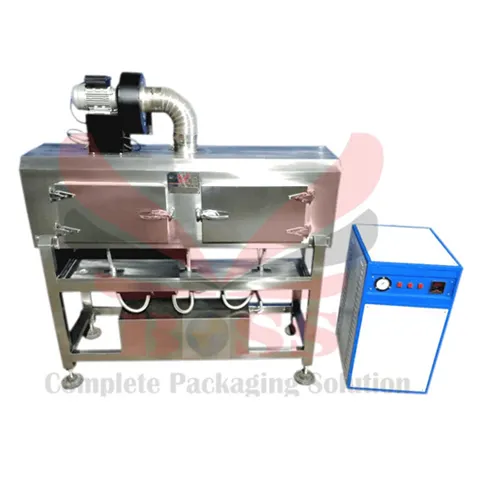
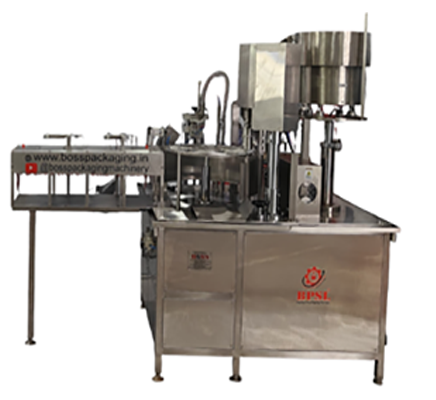
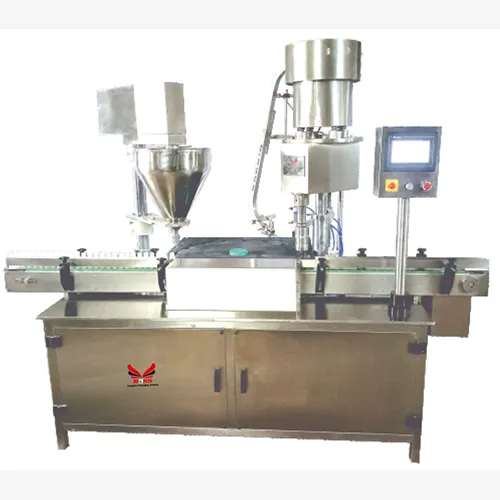
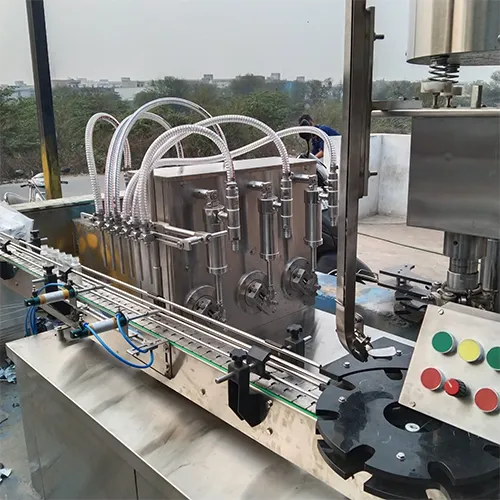
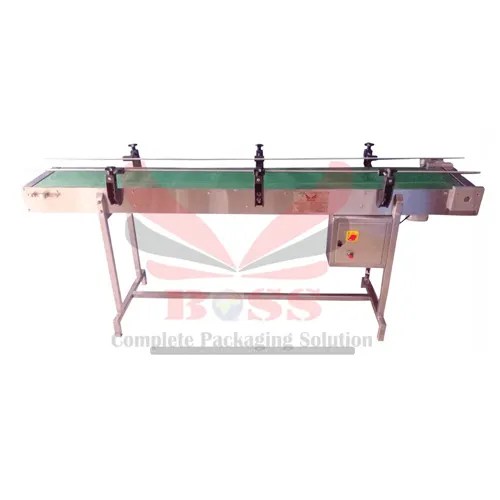
Round bottles are common in many packaging lines, but applying a label neatly around a curved surface needs proper handling. A label that is not positioned correctly can affect the overall appearance of the product. An automatic labelling system can help keep the process organised and reduce repeated manual work. Boss Packaging Solutions Limited provides packaging and labelling equipment, including the round bottle labelling machine, for different packaging requirements.
Unlike flat containers, round bottles need controlled movement during labelling. The bottle has to remain in the correct position while the label is applied around its surface. Bottle shape, label size and the required label position can all affect the labelling process.
Understanding Round Bottle Labelling
Round bottle labelling involves applying a label to the curved surface of a cylindrical or round container. Depending on the product, the label may cover part of the bottle or wrap around a larger portion of its surface.
During the process, bottles move through the labelling section in a controlled manner. Proper bottle positioning helps the label reach the required area without unnecessary shifting. This is useful when a similar label placement needs to be maintained across a batch of products.
Features of Round Bottle Labelling Machines
The machine setup can vary according to the bottle and label requirements. Some practical features can help maintain an organised labelling process.
Controlled Bottle Movement
Keeping bottles properly positioned during labelling helps reduce unwanted movement while the label is being applied.
Curved Surface Labelling
The machine is designed around the requirements of round containers, where the label needs to follow the bottle surface.
Consistent Placement
Maintaining a similar label position across bottles gives the finished products a more uniform appearance.
PLC and HMI Control
PLC-based controls with an HMI touchscreen can be used to manage the labelling operation and make process adjustments.
Role in Bottle Packaging
Labelling is more than simply placing information on a container. The label also forms part of the finished product presentation. For round bottles, uneven placement or shifting can be more noticeable because of the curved surface.
An automatic labelling setup can reduce the amount of repeated manual handling involved in the process. It can also help maintain a regular flow of bottles through the packaging line. The final arrangement depends on the bottle design and the required labelling method.
Applications of Round Bottle Labelling
Round bottles are used for many packaged products, including food and beverages, pharmaceuticals, cosmetics, chemicals and home care products. Each product may have different requirements for label size, position and coverage.
Some bottles may need a label on the front area, while others may require a wrap-around arrangement. The packaging line and bottle dimensions should therefore be considered before selecting suitable labelling equipment.
Points to Consider Before Selecting a Labelling Machine
Bottle diameter and overall shape are important points when selecting equipment for round containers. The label dimensions should also be checked because they can affect how the label sits on the curved surface.
The required production output is another point to review. Bottle movement, label position, available floor space and the existing packaging line should also be considered. These details can help in finding equipment that fits the actual packaging process.
Selecting Suitable Labelling Equipment
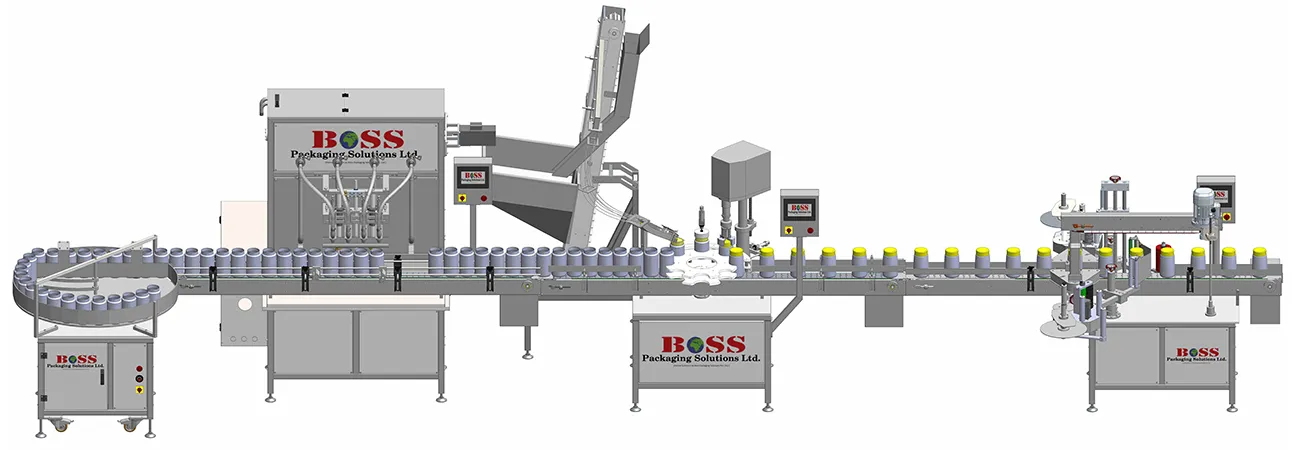
Boss Packaging Solutions Limited provides packaging machines for different operations, including filling, capping and labelling. Its range of labelling equipment can be considered for different product and container requirements.
Before selecting a round bottle labelling machine, buyers can discuss the bottle dimensions, label type, required coverage and production requirements. Checking these details beforehand can help avoid problems related to bottle movement or label positioning.
Conclusion
Round bottles require careful handling during the labelling process because of their curved surface. Proper positioning and controlled movement can help maintain a neat appearance across packaged products.
Businesses handling cylindrical containers can consider a round bottle labelling machine according to the bottle design, label requirements and packaging setup. Reviewing these details before selecting the equipment can make the labelling process easier to manage. As a trusted packaging machine manufacturer, Boss Packaging Solutions Limited delivers reliable labelling solutions suited to a wide range of bottle types and industries.
Frequently Asked Questions (FAQs)
Round or cylindrical containers can be considered for this type of labelling. The exact bottle dimensions and design should be checked with the machine requirements before finalising the equipment.
The curved surface of a round bottle affects how the label sits on the container. Proper bottle movement and positioning help keep the label aligned during the application process.
The labelling arrangement depends on the machine configuration and the label requirement. A partial label or a larger wrap-around label can be considered based on the product and packaging setup.
Bottle diameter, bottle shape, label dimensions, label position and required production output can all affect the labelling process. These points should be reviewed before selecting equipment.
Automatic labelling can reduce repeated manual work and maintain a regular flow of bottles through the packaging process. The suitable machine depends on the product, output and packaging-line requirements.